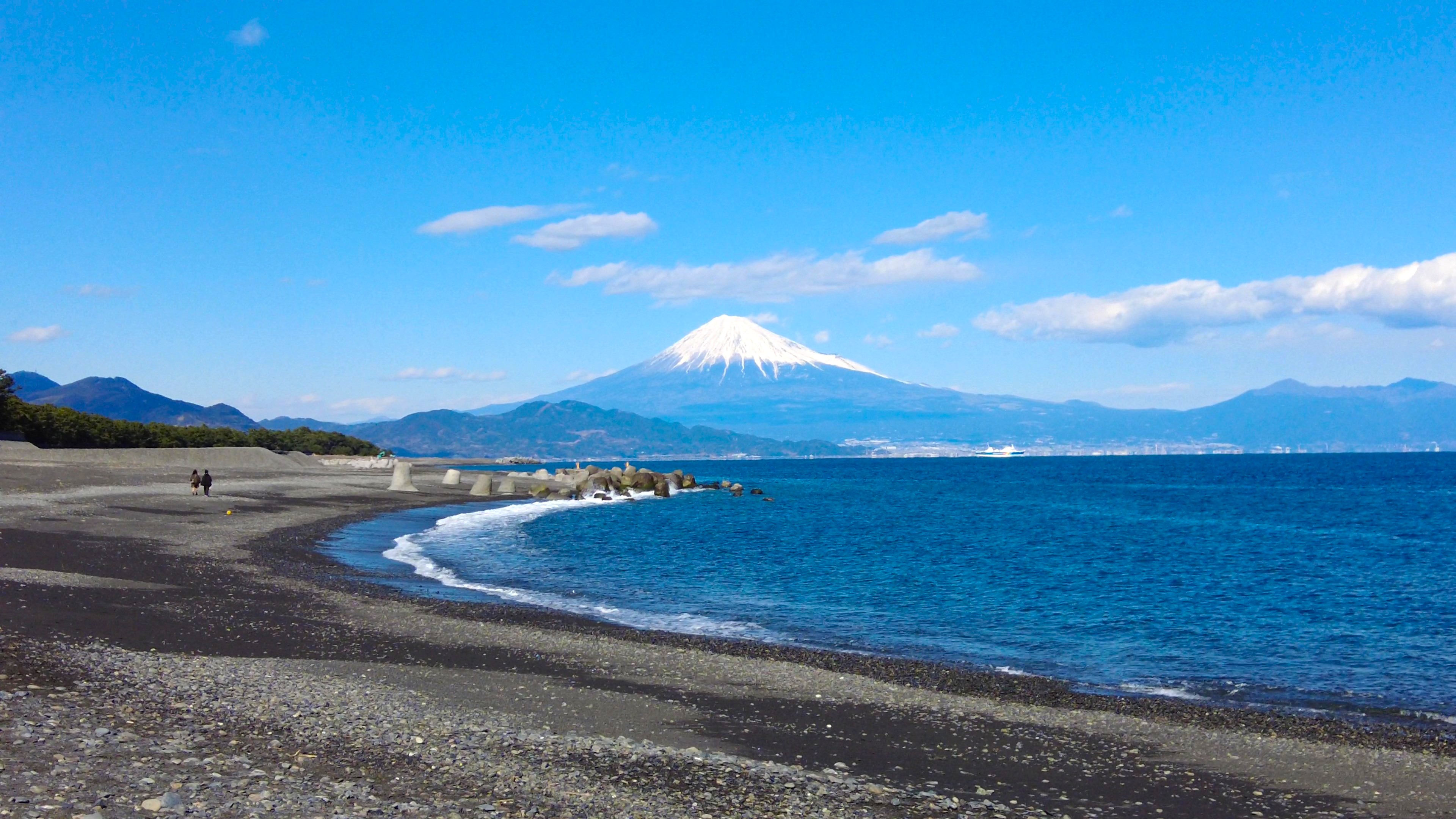
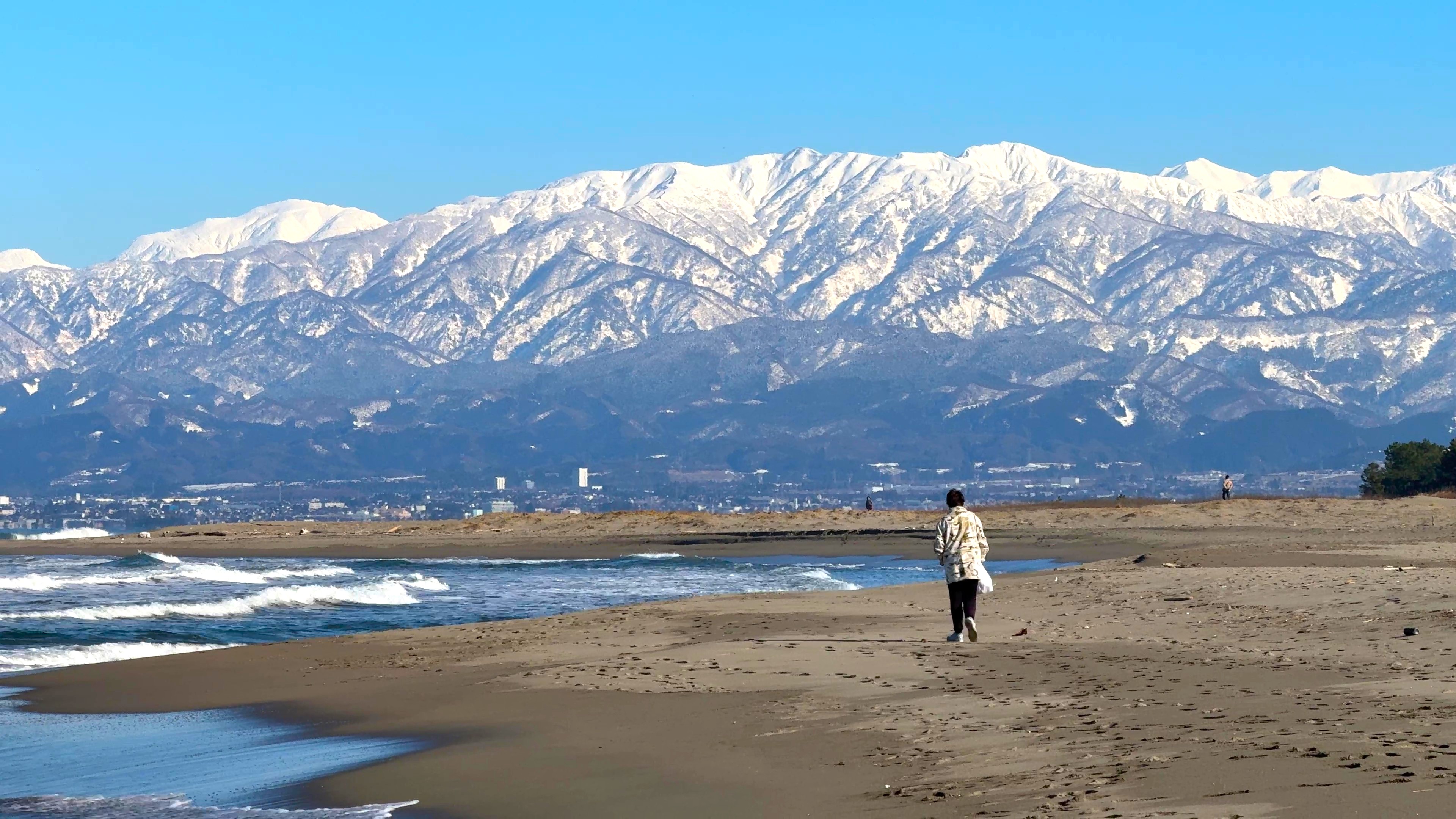
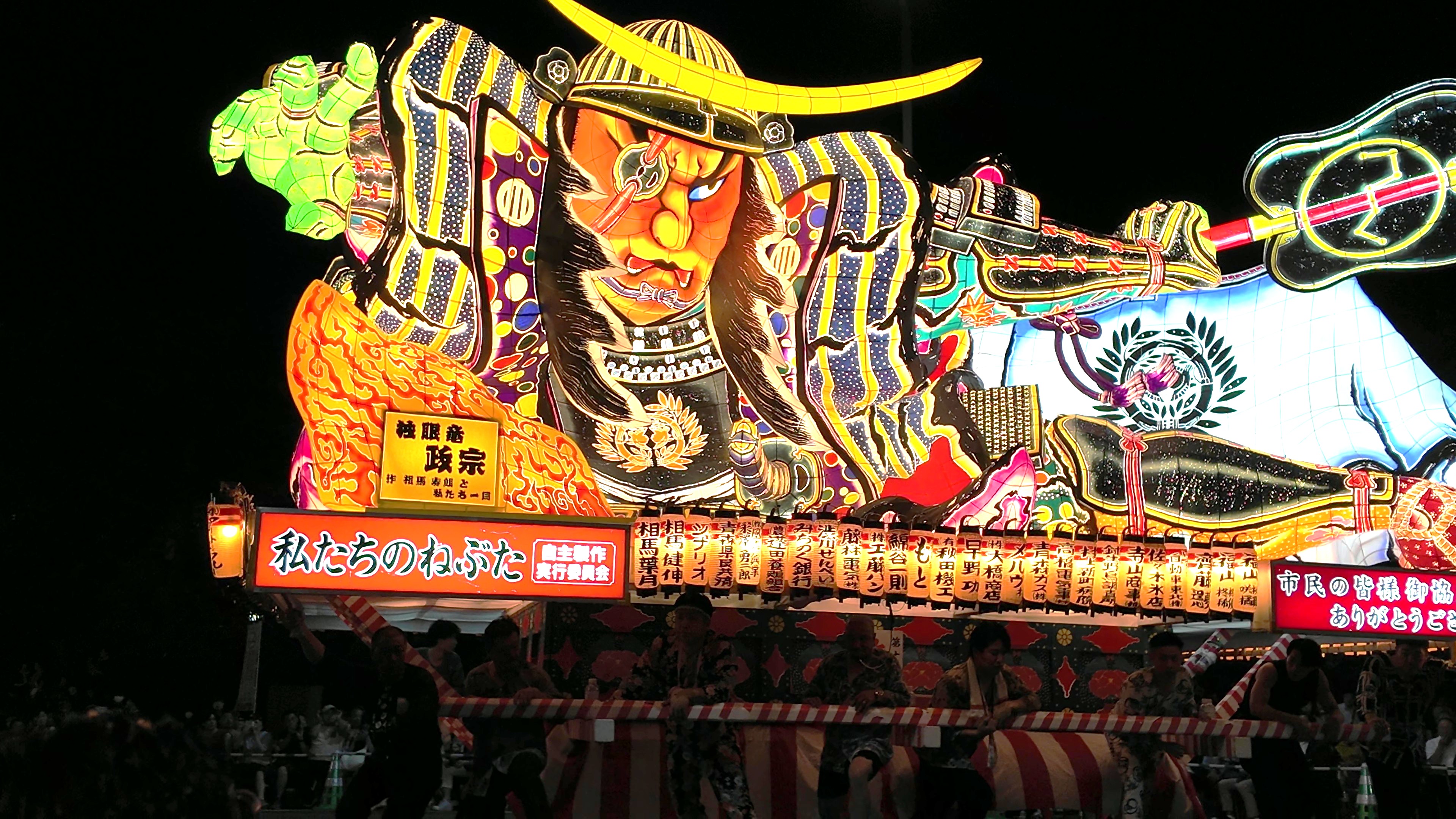
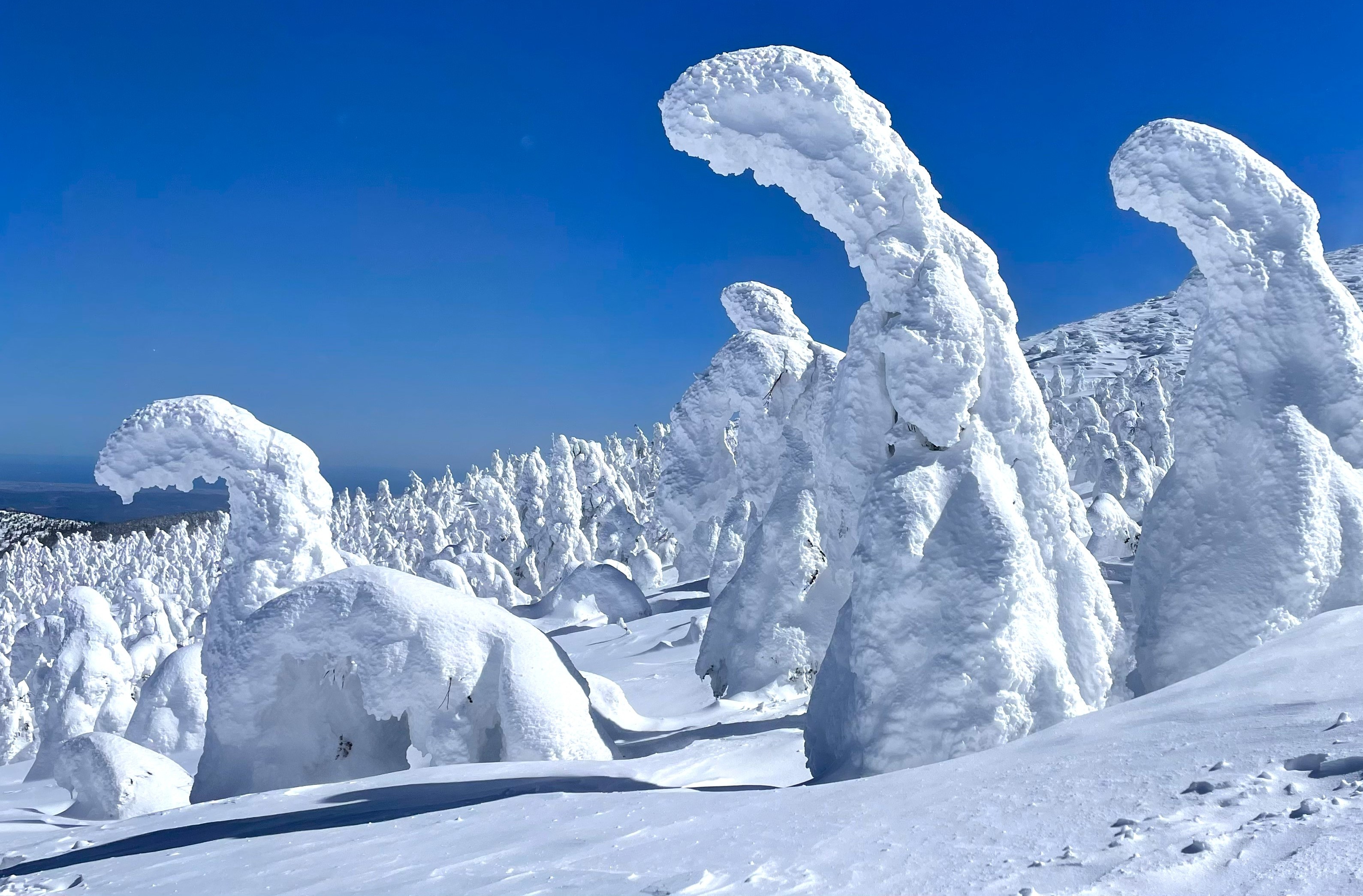
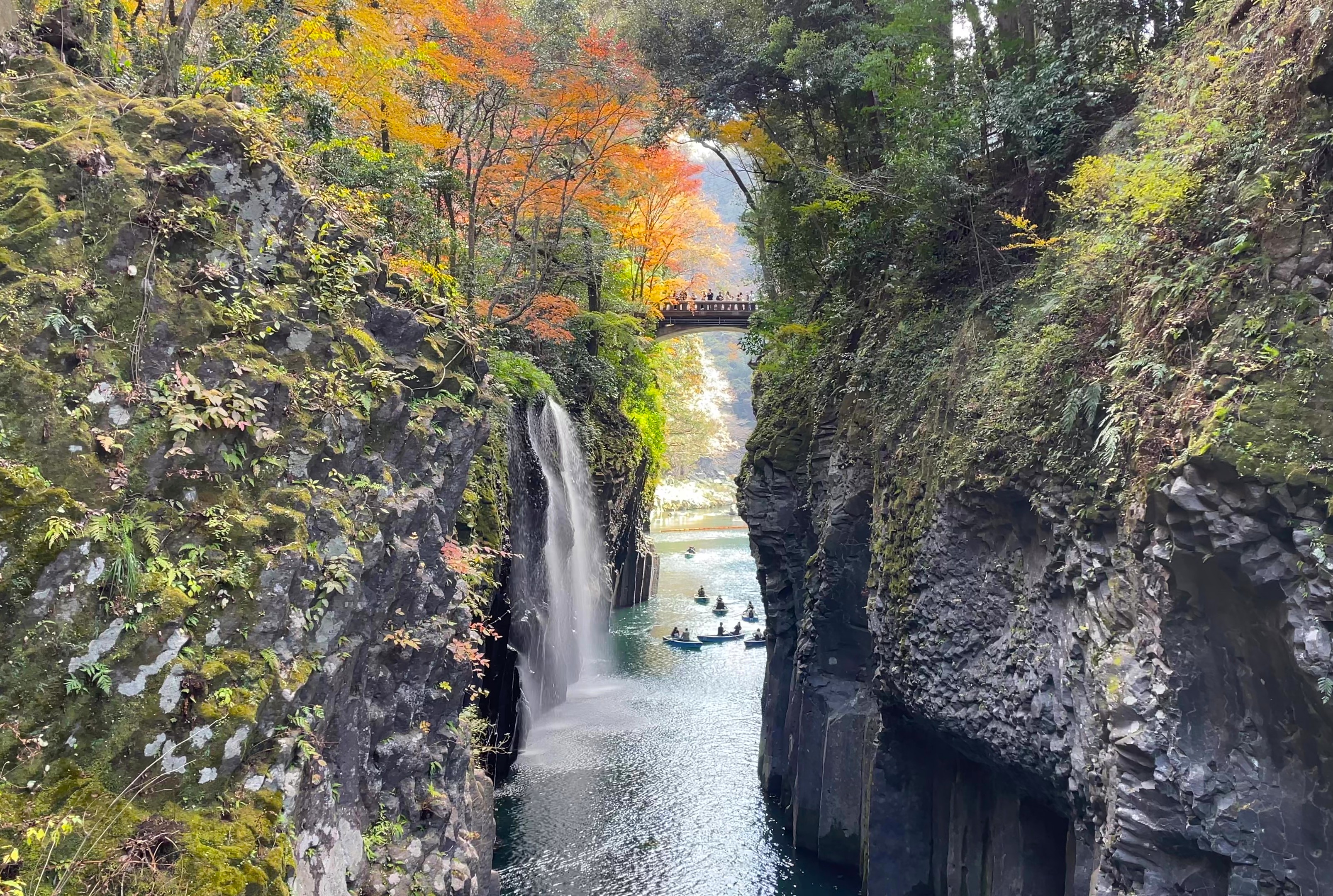
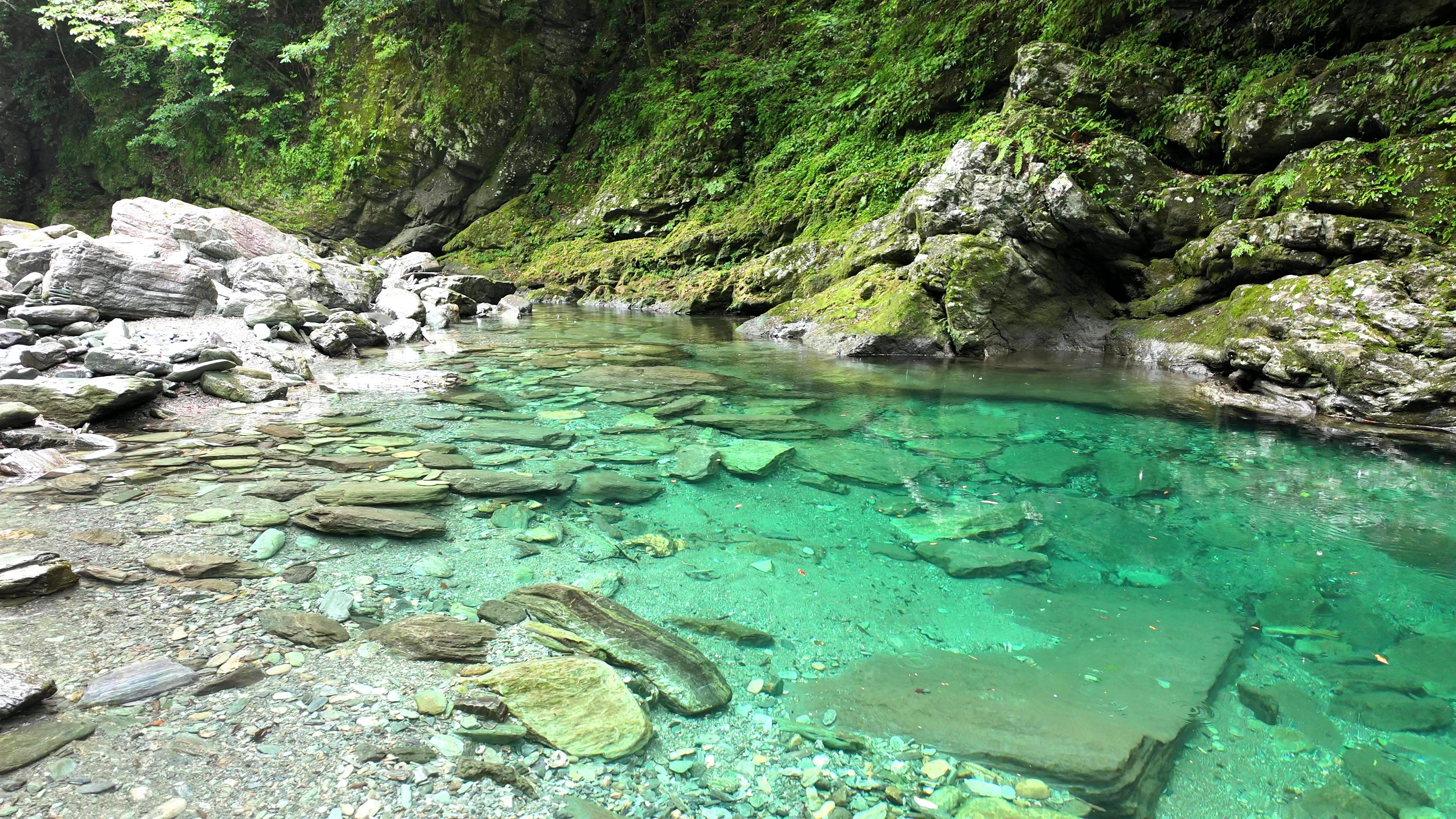
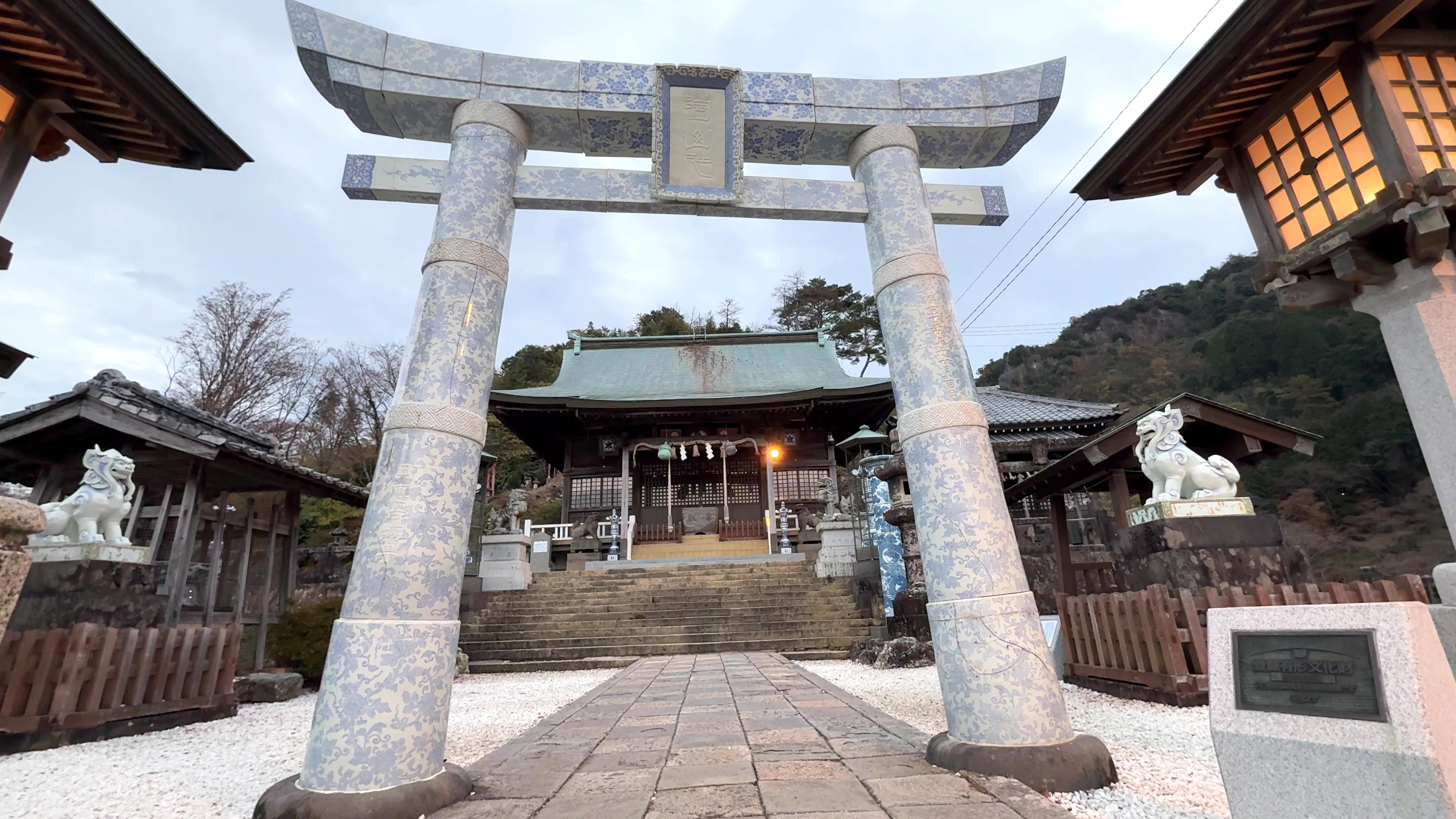
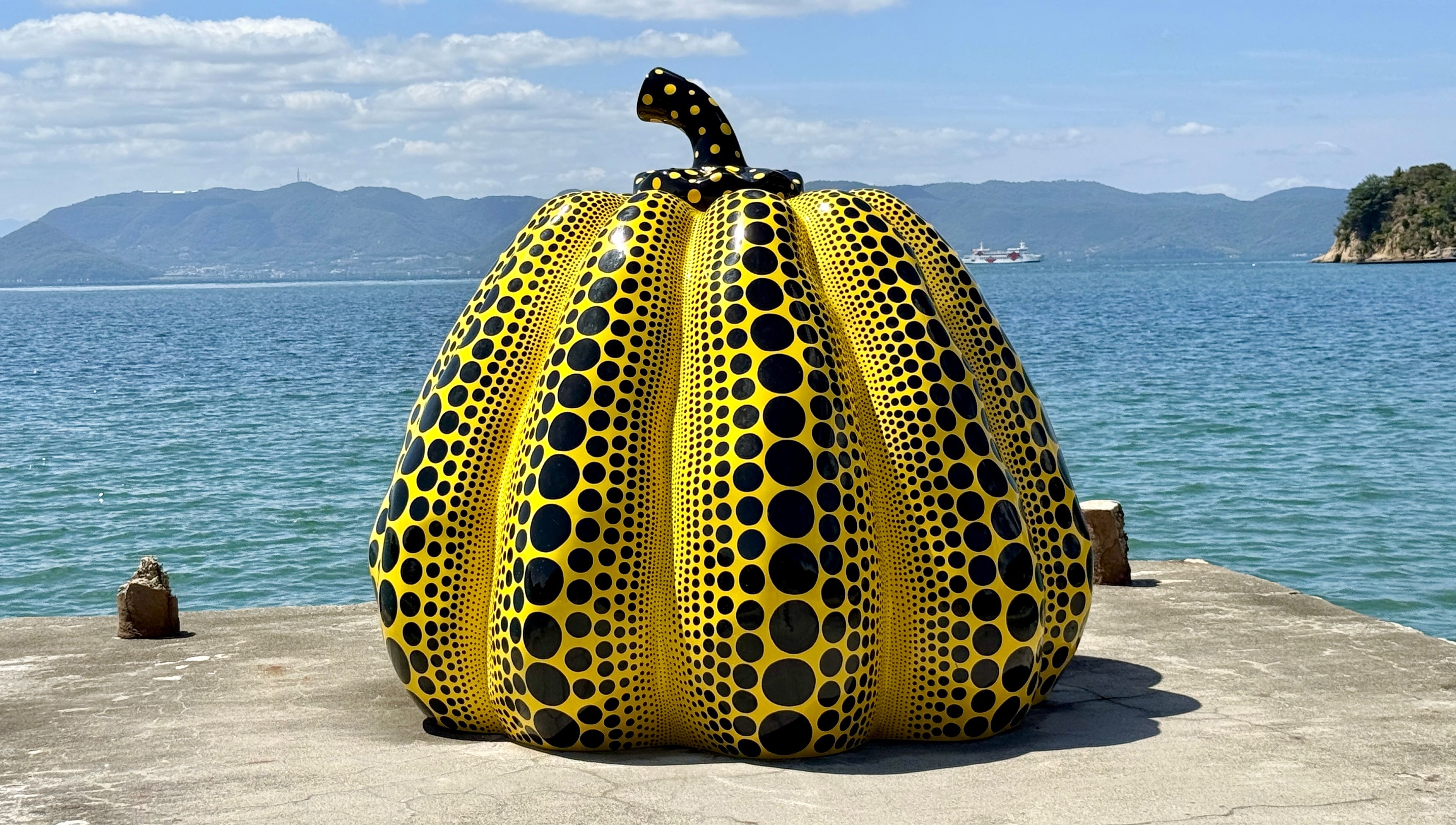
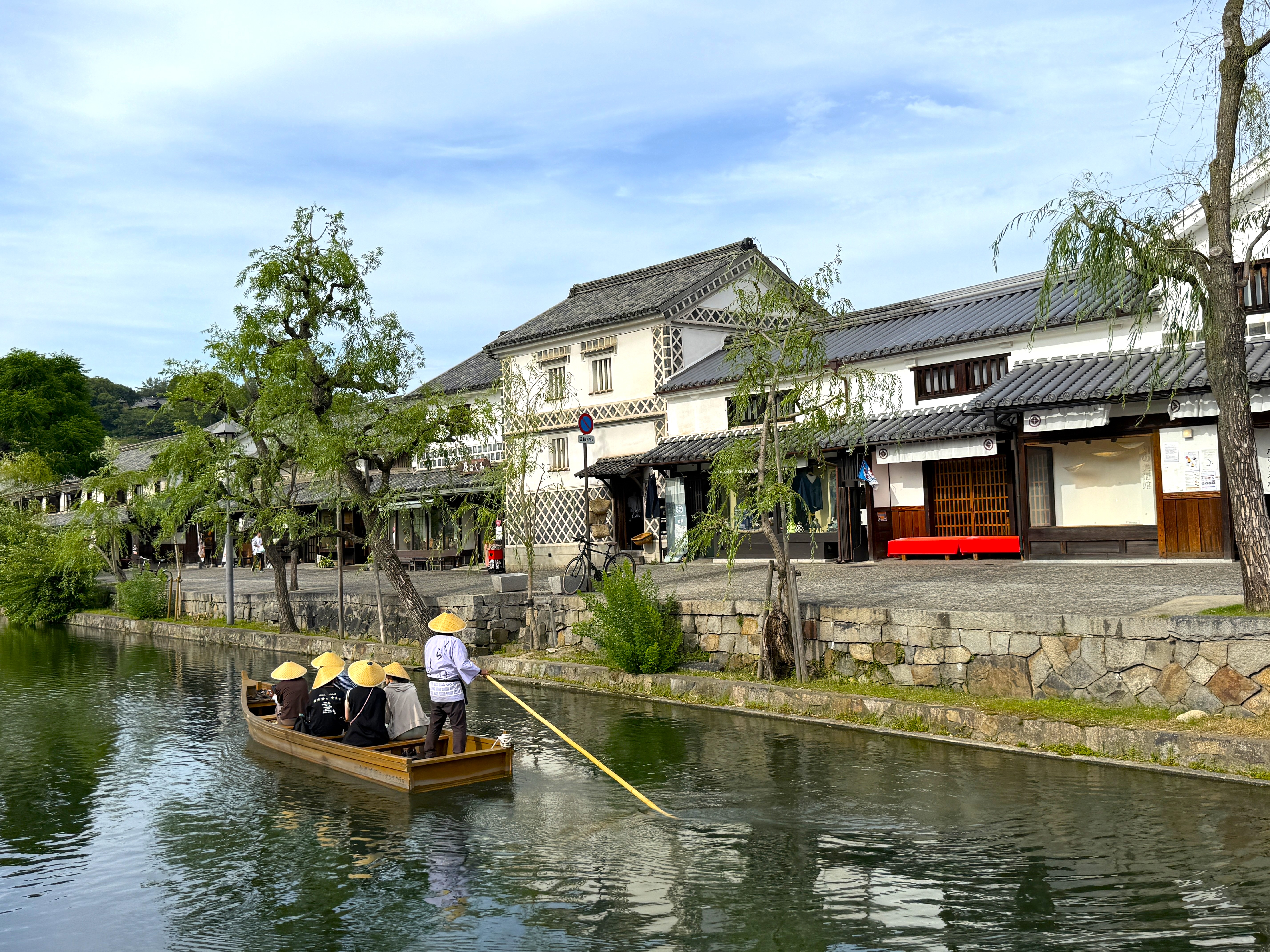
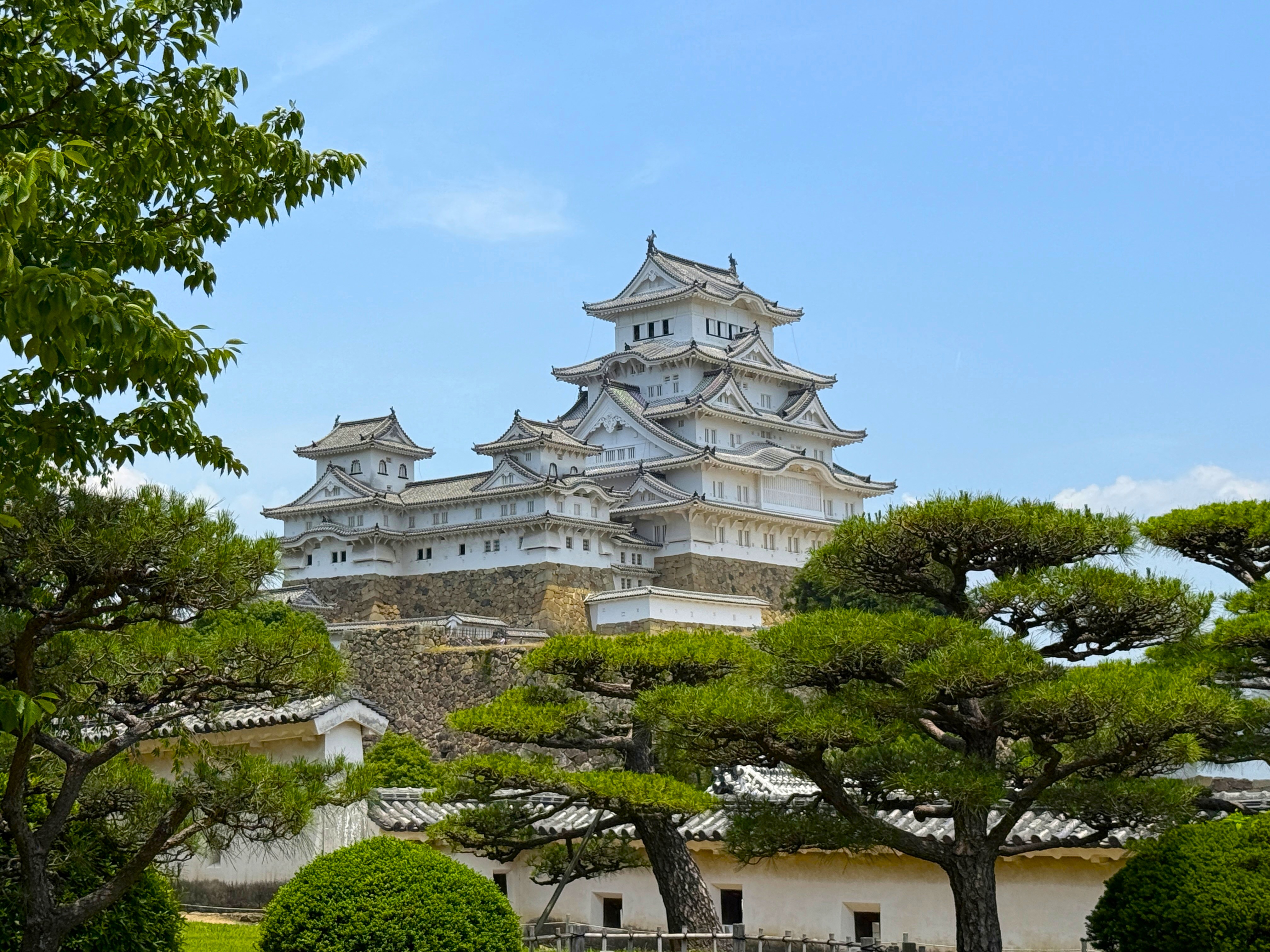
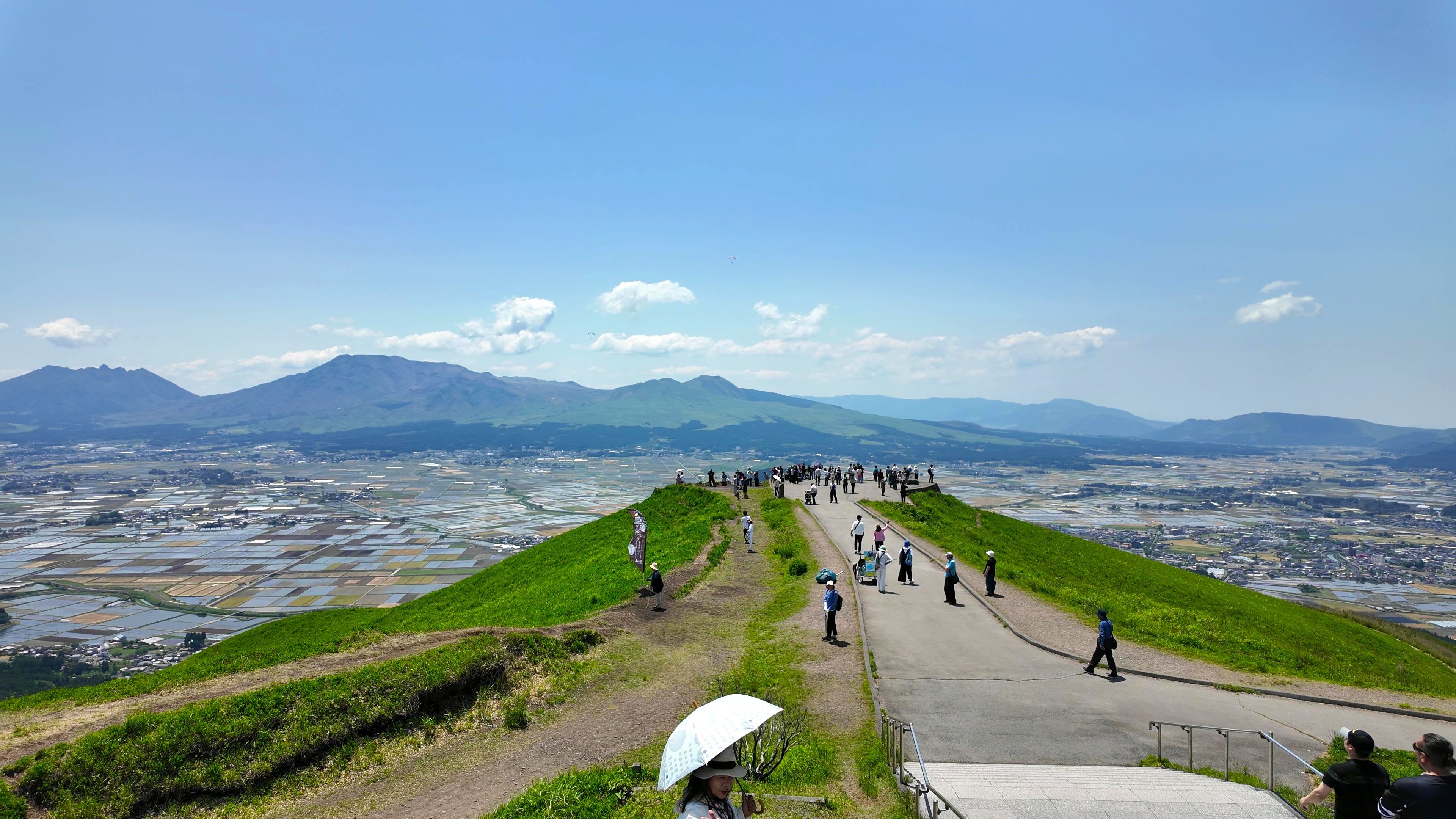
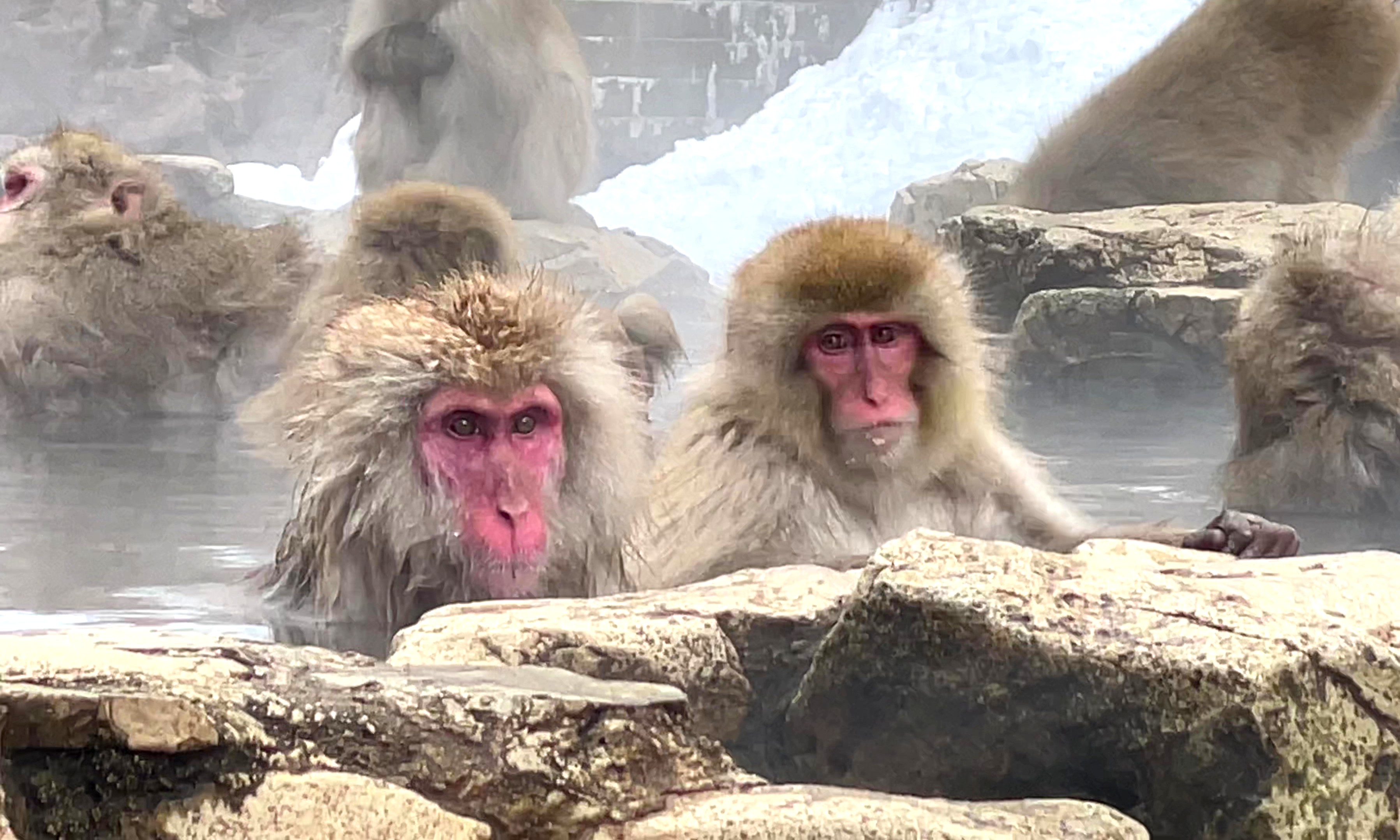
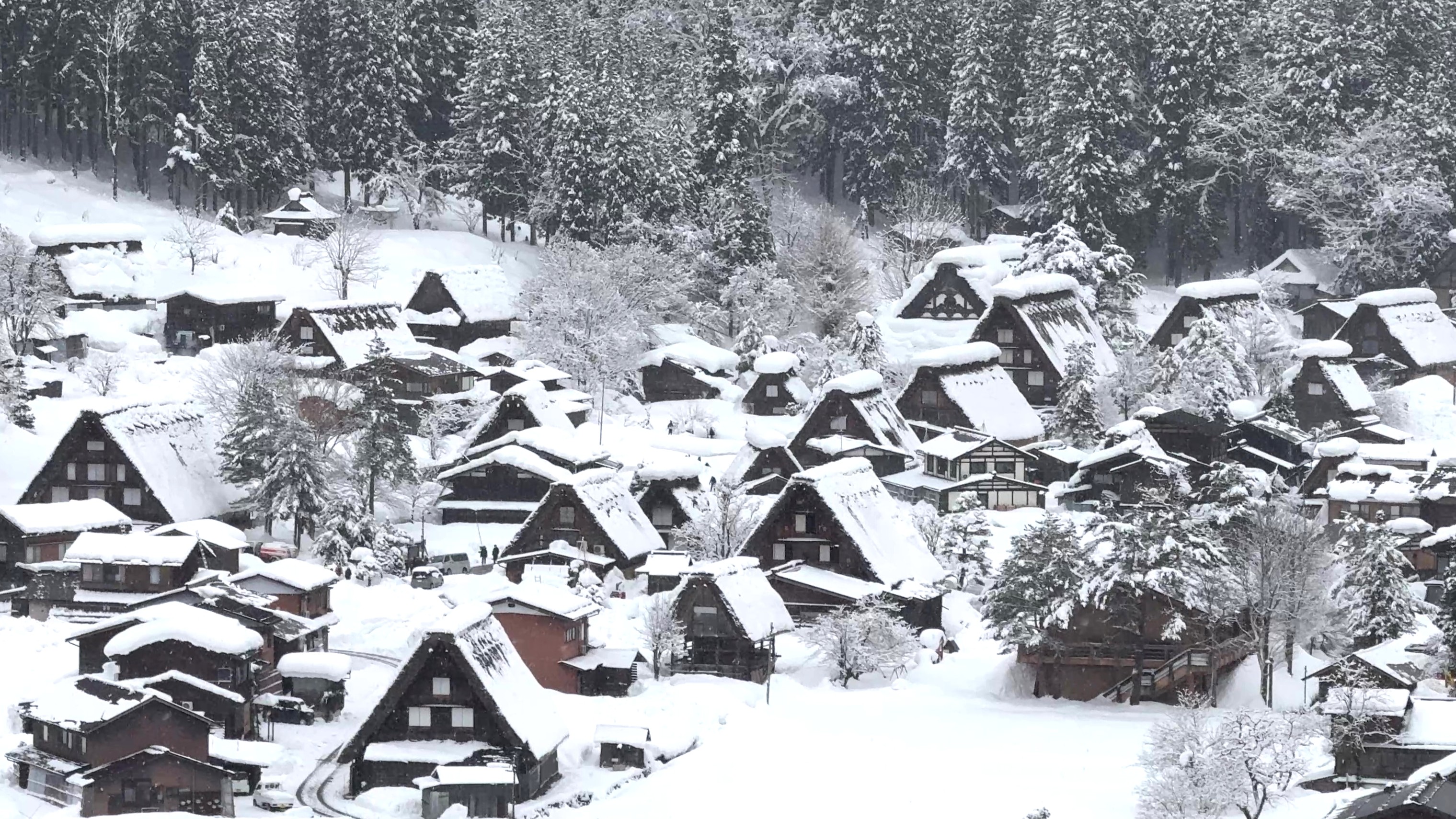
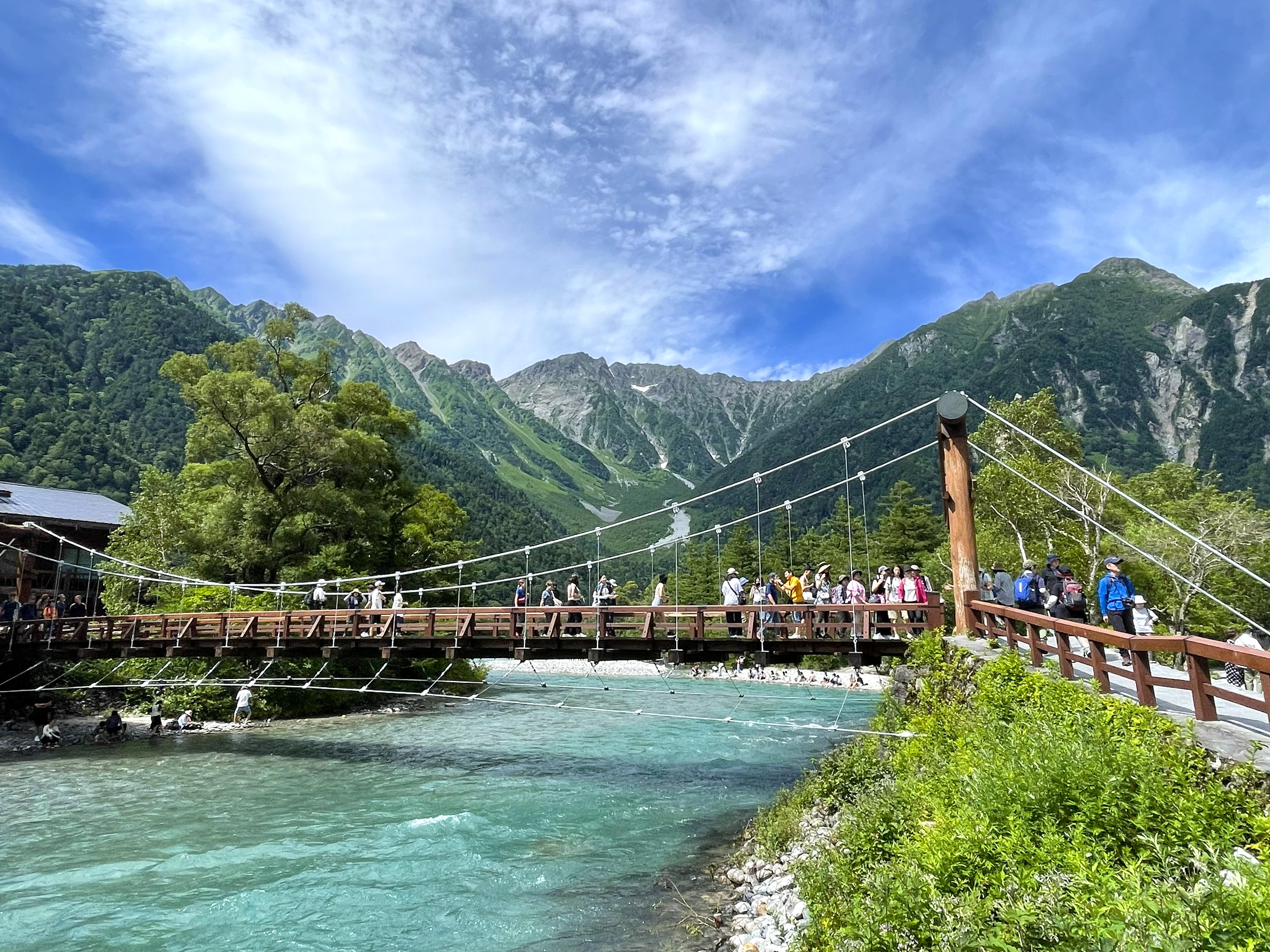
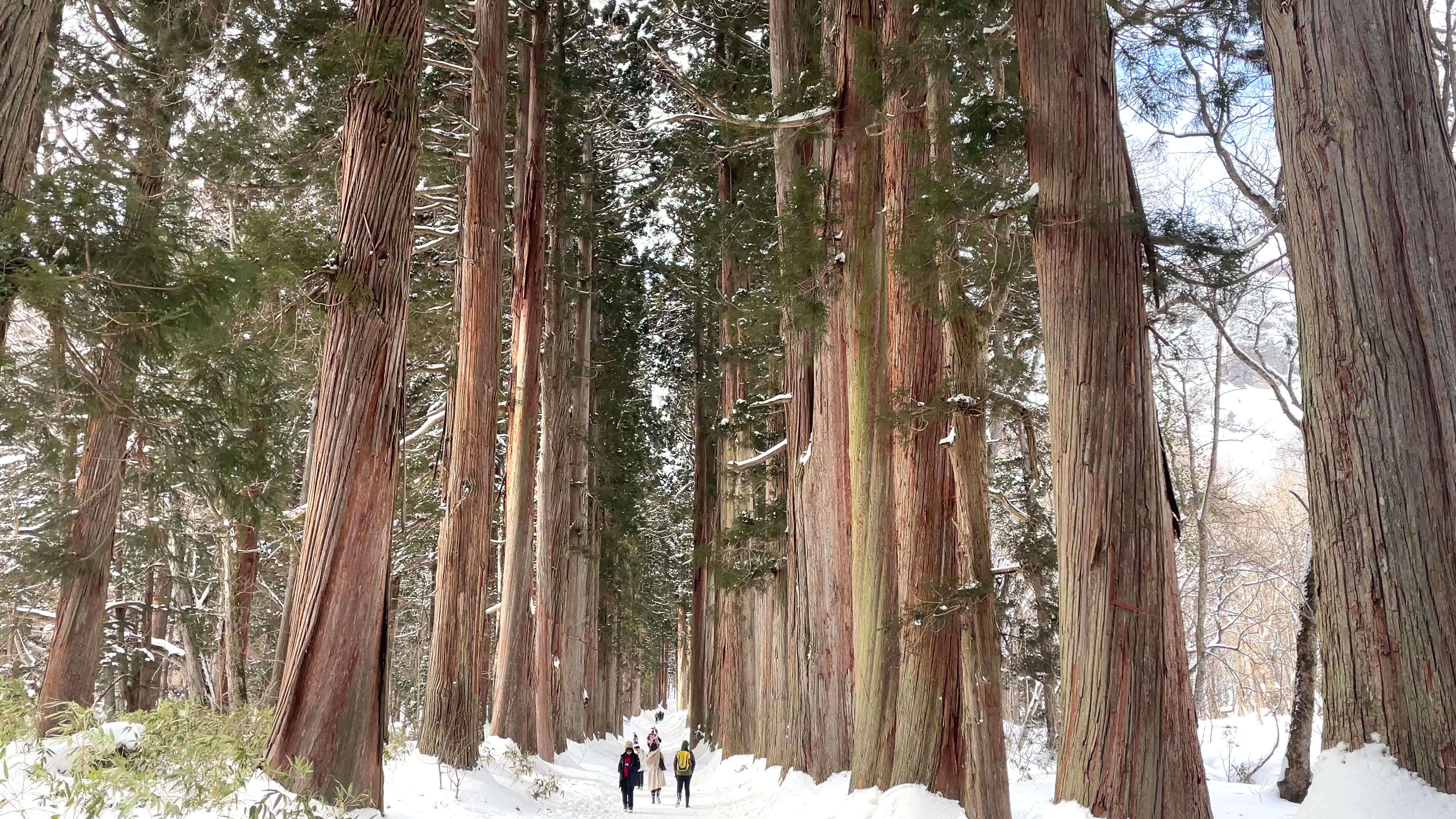
All 47 prefectures, just one tap away. Hover a prefecture on the map for the basics, then click it to open full details: access from Tokyo and Osaka, the region's must-see view, its signature dish, a photo gallery, and a video link.
Discover Every Epic View & Flavor
JAPAN / 47 PREFECTURESClick a prefecture to see details
Scroll to zoom, drag to pan, or use the +/− buttons — the ⤺ button snaps back to the full map. Prefecture boundaries: Geolonia japanese-prefectures (GFDL). Each of the 47 regions above is an independent, boundary-accurate SVG path with its own data-code.
TOKYO / 23 SPECIAL WARDS
Exploring Tokyo's 23 Wards—the heart of the metropolis, surrounded by its charming western cities and island.
Japan's Epic Seasons — Explore Japan's Finest, Season by Season
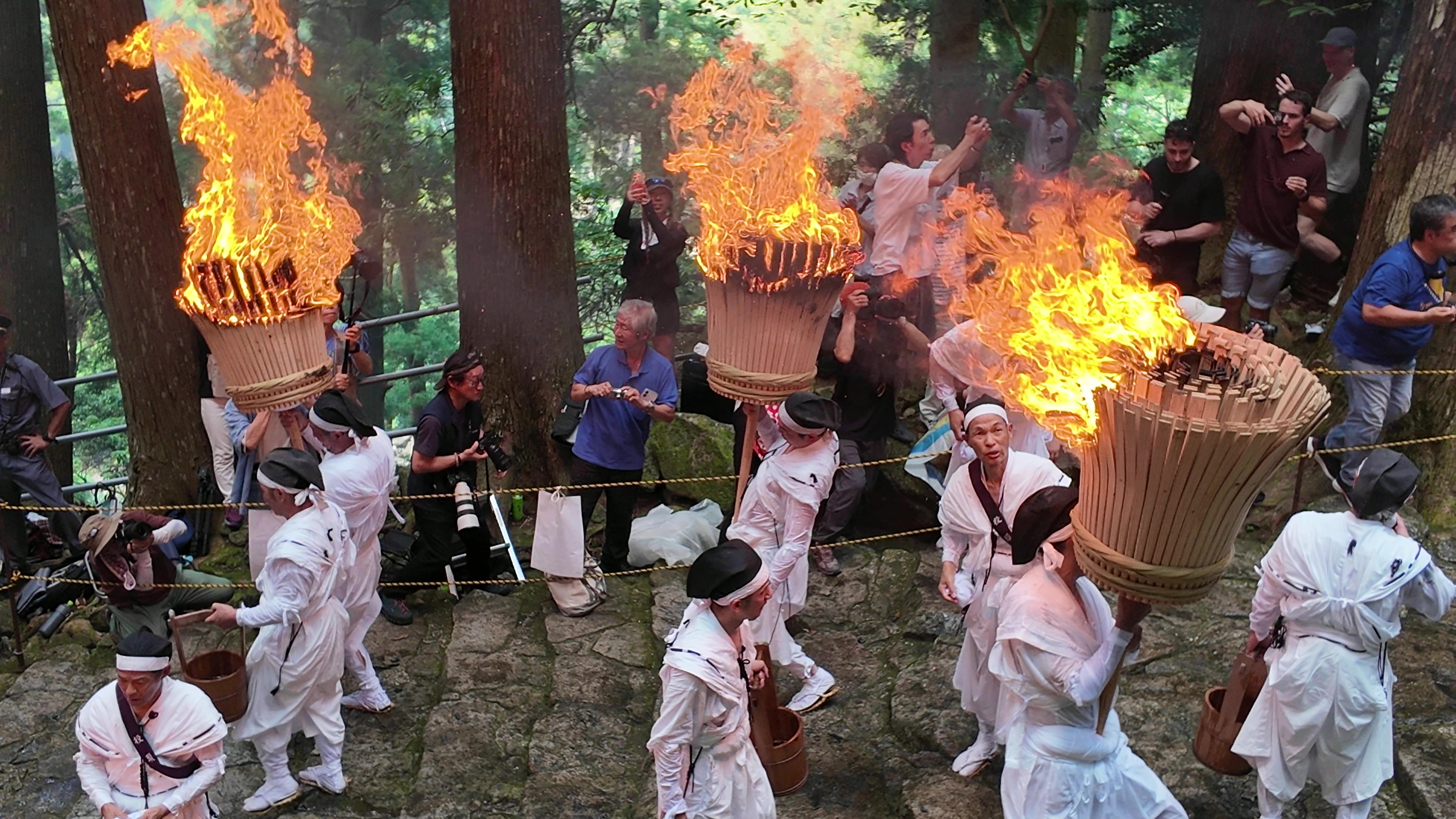
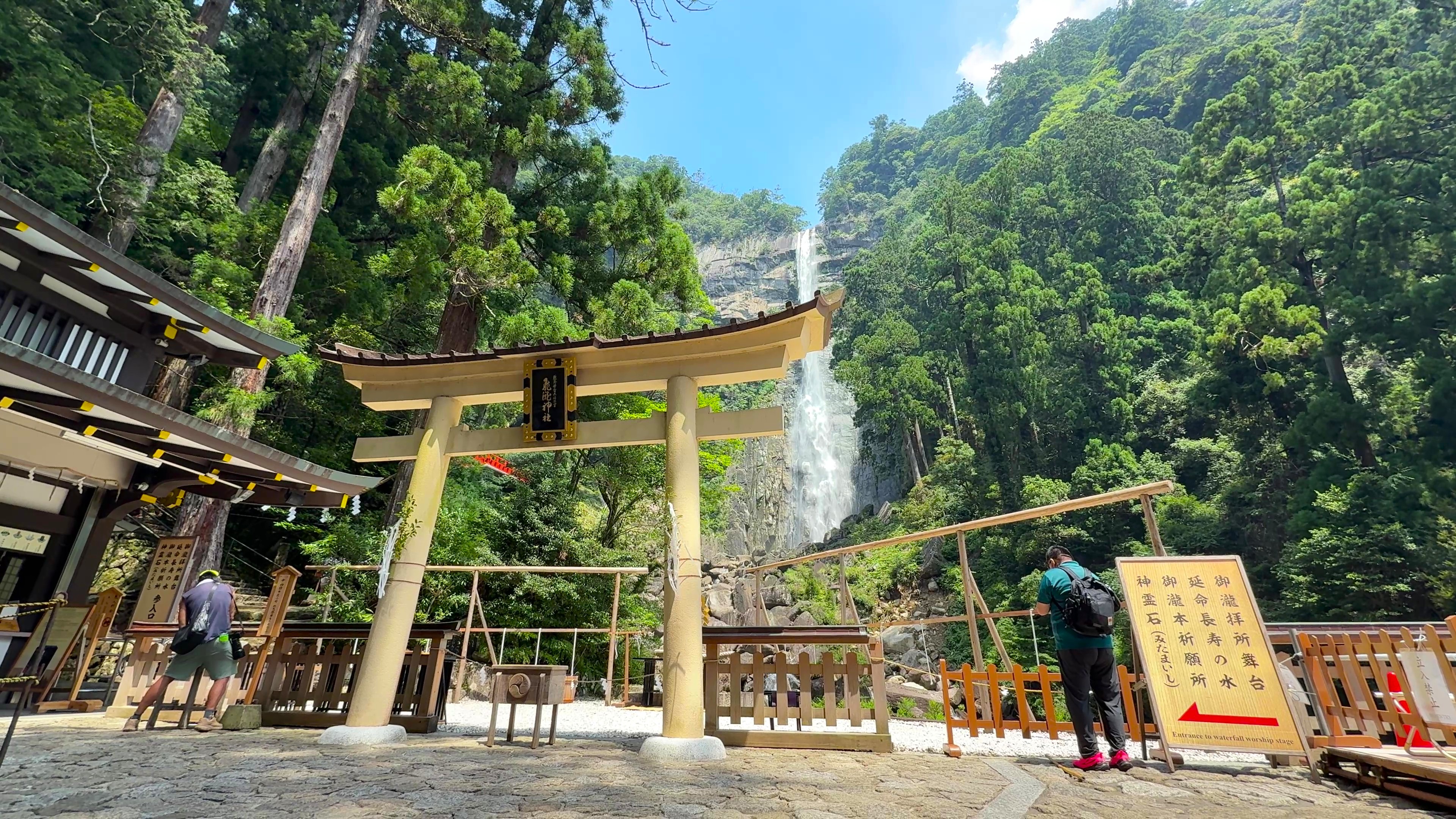
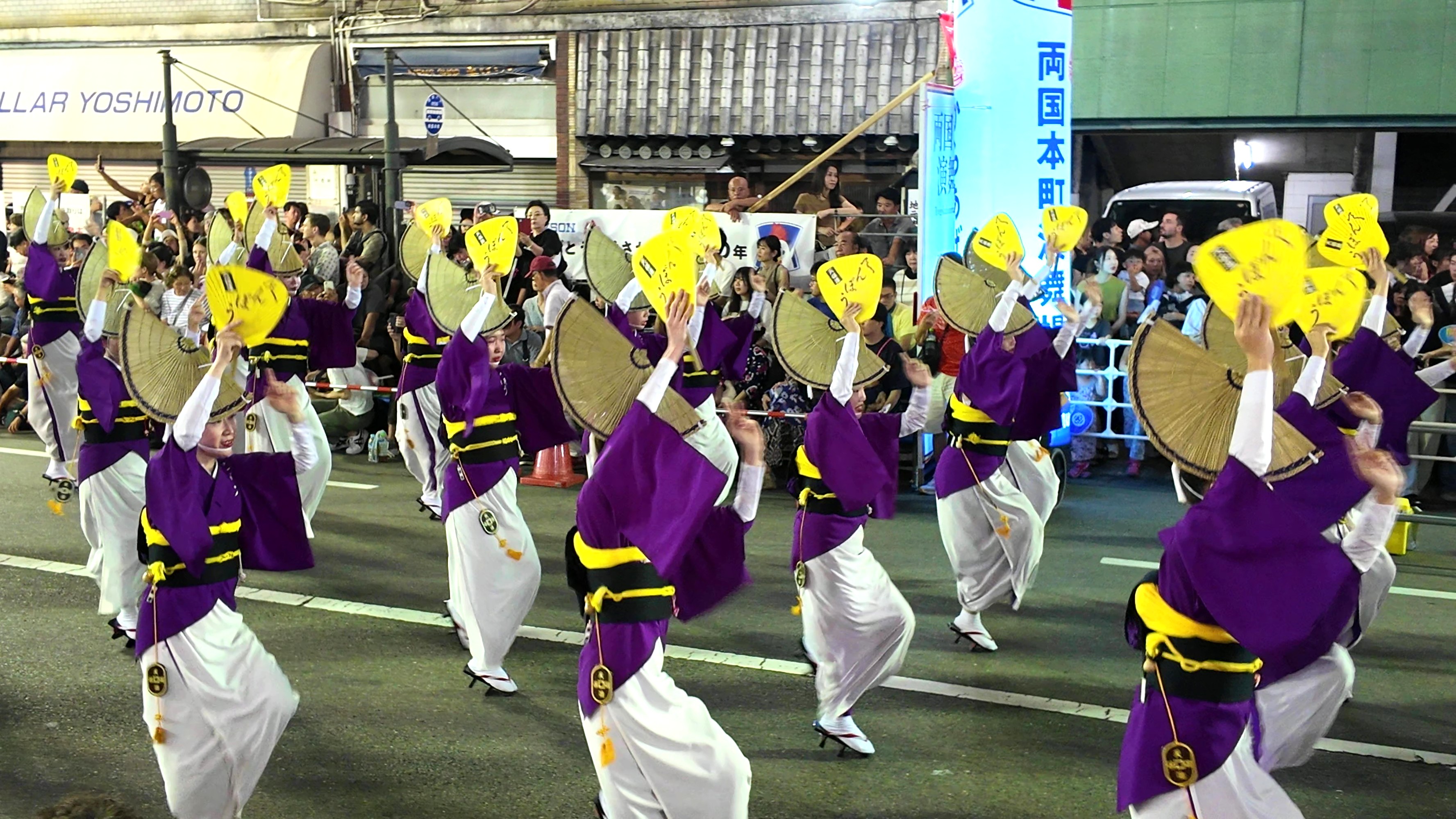
Japan's calendar is packed with unmissable festivals. Pick a season, then browse by region — each numbered photo on the map matches a numbered card below.
If you're traveling long distances across Japan, a Japan Rail Pass may save you money and time. But if you're only visiting Tokyo, Kyoto and Osaka, individual tickets may be cheaper.
Popular hotels can sell out months in advance, especially during:
🎆 Major Festivals & Fireworks
🌸 Cherry Blossom Season
🍁 Autumn Foliage
⛷️ Ski Season
♨️ Popular Ryokans & Hot Springs
⚠️ Some popular hotels can be fully booked six months ahead.
👉 Book early, especially for peak seasons.
4
🎿 Ski Resorts? Book Before Winter!
Planning to ski in Japan? Don't wait until the snow arrives.
Popular resorts such as Hokkaido and Nagano can become very busy during the winter season.
🏨 Hotels
🎿 Ski passes
🚆 Transportation
Book early for the best choice.
5
💳 Get an IC Card
Suica / PASMO / ICOCA
Use IC cards for:
🚆 Trains
🚌 Buses
🏪 Convenience stores
☕ Many shops and restaurants
One card makes getting around Japan much easier.
6
💴 Carry Some Cash
Japan is increasingly cashless, but some small restaurants, shops and rural areas still accept cash only.
Credit card + IC card + some cash = a good combination.
7
📱 Download These Before You Go
Google Maps For trains, walking and directions.
Google Translate For menus, signs and communication.
Your airline & hotel apps Keep your reservations easy to access.
⚠️ The Golden Rule of Japan Travel
Don't book Japan at the last minute.
The more popular the destination, the earlier you should book.
eSIM → before you fly
Hotels → months ahead
Festivals → as early as possible
Ski resorts → before winter
JR travel → plan before you arrive
Plan ahead. Travel more. Worry less.
▾
This isn't about rules. It's about being aware of the atmosphere. Small details can make a big difference in how you're perceived.
These are cultural etiquette norms, not official laws — and not everyone in Japan follows them identically. They're here simply to help you avoid unintentionally making others uncomfortable.
🚫 Strictly Not Acceptable
Strongly discouraged — can cause trouble
Wearing shoes indoors
→ Homes, temples, traditional restaurants, and ryokan inns. Always check the entrance and follow the local custom.
Not lining up properly
→ Trains, elevators, popular restaurants, and even small shops. Japan runs on orderly queues.
Not separating trash or recycling properly
→ Public trash bins can be rare, but sorting rules are strict where bins are provided. Follow the instructions on the bin.
⚠️ Not Preferred
Culturally uncomfortable, but generally tolerated
Strong perfume / heavy fragrance
→ Subtlety is valued in Japan, especially in enclosed spaces such as trains.
Speaking loudly in public
→ On trains, in cafés, and on the street. People generally keep their voices low.
Talking on the phone on trains or in restaurants
→ On trains, phones are normally kept on silent mode and phone calls are generally avoided. In restaurants, be mindful of the people around you.
Public displays of affection (PDA)
→ Holding hands is generally fine. More intimate displays can attract attention.
Revealing clothing / excessive exposure
→ Urban Japan is fairly relaxed, but modest clothing is still the cultural norm in many situations.
Native Tip — This Is the Key
If you're unsure, simply observe the people around you.
Japan often works more on:
"Don't disturb others."
than on:
"Follow every rule."
Master this simple idea, and you'll understand Japanese culture much more easily.
▾
3 Signs You Should Know in Japan
In Japanese cities, some important messages are communicated without words. Knowing these signs can help you notice when someone may need extra care or consideration.
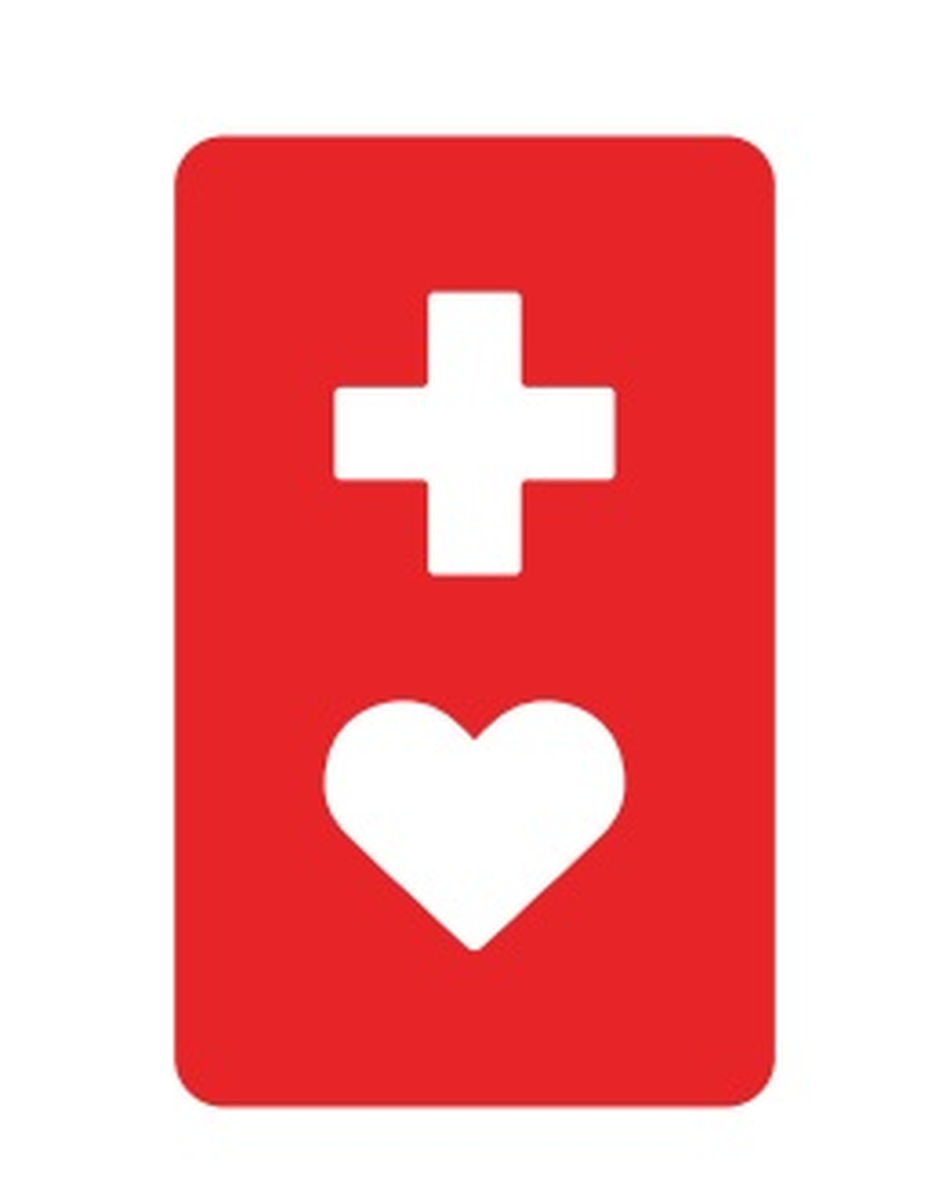
The Help Mark is a red tag featuring a white cross and heart. It's used by people who may need assistance even though their disabilities or medical conditions aren't immediately visible — this can include internal medical conditions, prosthetic limbs, or conditions such as panic disorders.
WHAT TO DO: If you see someone wearing this mark on a train or in a public place, be considerate. If appropriate, offer your seat or give them extra space.
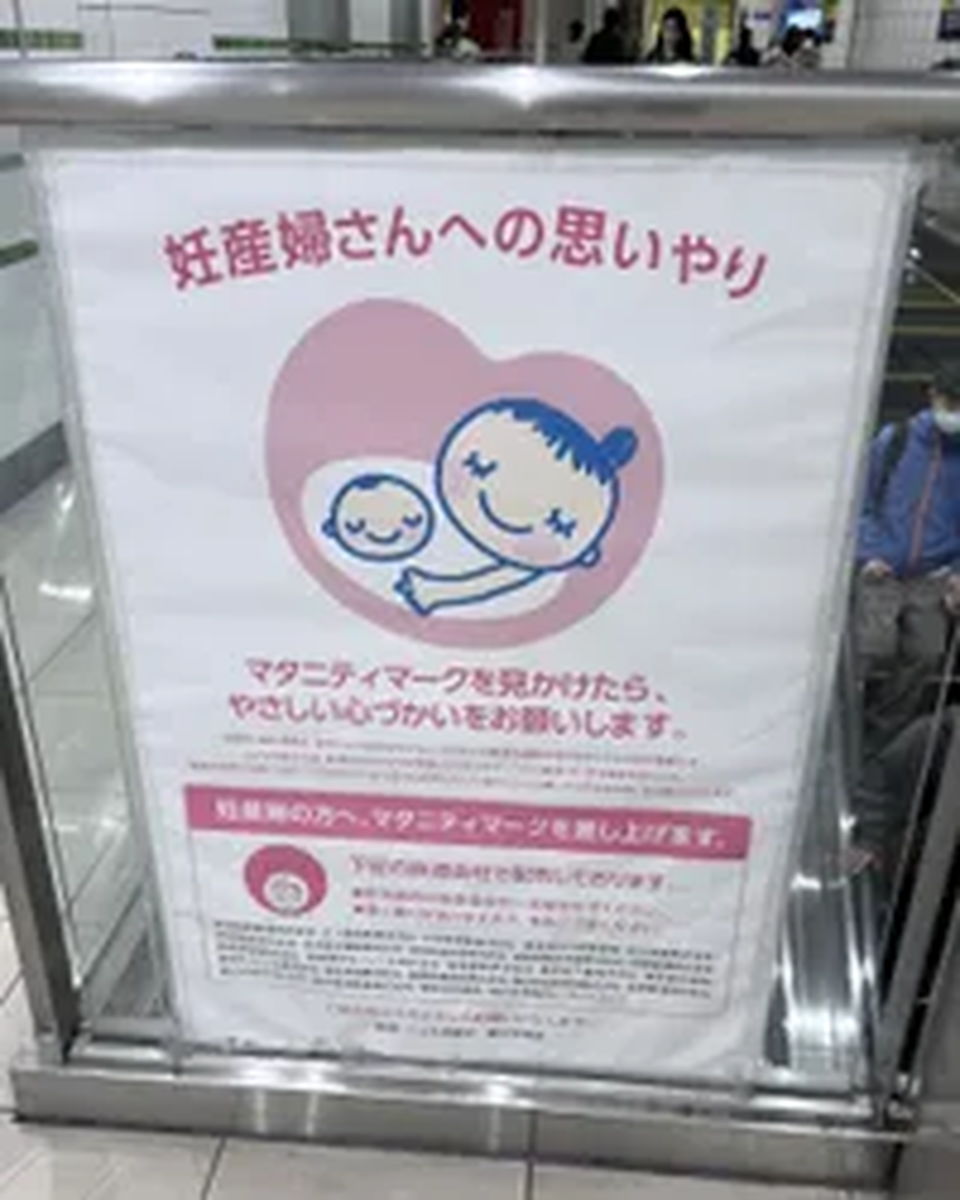
The Maternity Mark is a pink symbol used by pregnant women. It's especially important during the early stages of pregnancy, when pregnancy may not yet be physically obvious.
WHAT TO DO: If you notice this mark on crowded public transport or in busy areas, be mindful of the person wearing it. Offer your seat if possible, especially when seating is limited.
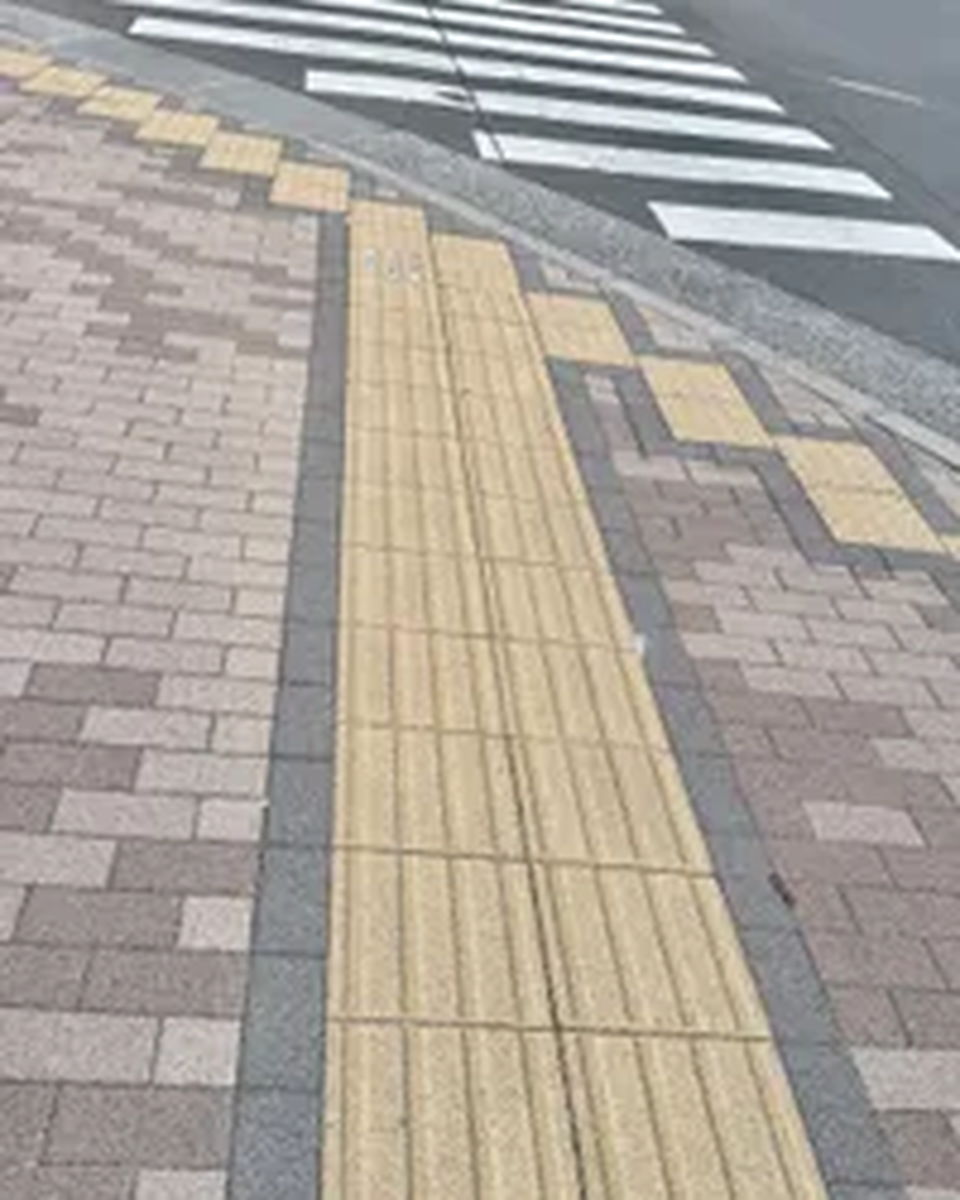
The yellow textured lines found on sidewalks and station platforms are called Tenji Blocks. They're an important navigation system for people with visual impairments.
WHAT TO DO: Never stand on these blocks to take photos, wait, or leave luggage. Keep them completely clear so people who rely on them can move safely and independently.
Small Signs. Big Difference.
Understanding these simple signs can help you be a more considerate traveler in Japan.
A little awareness goes a long way.
▾
⛩️ Shrine or Temple?
Which one would you visit for a wedding? Which one would you visit for a funeral?
Can You Guess?
💍 Wedding → ?
⚱️ Funeral → ?
The Answer
💍 Weddings → Shinto shrines
⚱️ Funerals → Buddhist temples
Temples usually have a cemetery nearby because of their connection with ancestors, memorials, and funerals.
This simple difference explains a lot about how shrines and temples are used.
🙏 What Do You Pray For?
This is the real difference.
⛩️ Shrines — Shinto
You pray for life events and new beginnings:
Success
Love
Health
New beginnings
Good fortune
🏯 Temples — Buddhism
You pray for reflection, remembrance, and the afterlife:
Ancestors
Peace
Remembrance
Reflection
⛩️ Shrines — Shinto
For life, beginnings, and celebration
Weddings
New Year visits
Prayers for success and good fortune
Connected to nature and purity
Torii gates mark the entrance
Shrine grounds are often open and connected with nature
Visitors usually come to pray and continue on rather than spending a long time inside
Japanese Shrine Worship Process
Two Bows: Bow deeply twice.
Two Claps: Clap your hands twice at chest height.
Prayer / Wish: Keep hands together and offer a silent prayer or wish.
One Bow: Bow deeply once more to conclude.
A common pattern, not a strict universal rule.
🏯 Temples — Buddhism
For death, reflection, and remembrance
Funerals
Memorial services
Family graves
Remembering ancestors
Places for contemplation
Incense
Buddhist statues
Quiet gardens and walking areas
A quieter spiritual experience
Visitors may spend more time exploring the temple grounds, buildings, gardens, and surrounding spaces.
👕 What Should You Wear?
⛩️ Shrines
Generally relaxed. Casual clothing is usually fine, while respectful behavior is expected.
🏯 Temples
A more modest style is preferred. Best to avoid:
Very revealing clothing
Excessively short clothing
Tank tops in more traditional or sacred settings
Excessive exposure
These aren't strict universal dress codes — expectations can vary depending on the temple, shrine, location, and occasion.
👀 How Can You Tell Instantly?
⛩️ Shrines
Look for:
Torii gates
Open grounds
Nature
A brighter, more open atmosphere
🏯 Temples
Look for:
Large traditional buildings
Buddhist statues
Incense
Gardens
A quieter atmosphere
Native Tip
Don't Overthink Religion.
People naturally visit both shrines and temples at different moments in life.
A shrine for one occasion. A temple for another.
That balance is part of the culture.
▾
🥢 Chopstick Etiquette
Small gestures make a big difference.
How Good Are Your Chopstick Manners?
Some chopstick habits are more than just "bad manners" — they can have cultural or historical meanings.
Don't worry about being perfect.
Knowing the basics is already a big step.
Before You Start
Having trouble with chopsticks?
Just ask for a fork or spoon. Many restaurants have them available — simply ask the staff. Don't feel embarrassed if chopsticks are difficult.
🚫 Strictly Not Acceptable
Avoid these
🍚🥢 Never stick chopsticks upright in rice Tsukitate-bashi
Sticking chopsticks vertically into a bowl of rice resembles a Buddhist funeral ritual. Never do this at the dining table.
🥢→🥢 Never pass food chopstick to chopstick Hiroi-bashi
Passing food directly from one pair of chopsticks to another is also associated with funeral rituals. Use a plate or serving utensil instead.
🥢🍱 Don't stab food with chopsticks Sashi-bashi
Using chopsticks like a fork to spear food is considered rude. Pick food up gently instead.
⚠️ Not Preferred
Try to avoid these
Licking your chopsticks Neburi-bashi
Licking food from your chopsticks is generally considered unhygienic and childish.
Letting food or sauce drip Namida-bashi
Carrying food while sauce or liquid drips from it can look careless.
Pointing with chopsticks Yubisashi-bashi
Using chopsticks to point at people or objects can feel aggressive or impolite.
Moving dishes with chopsticks Yose-bashi
Don't use your chopsticks to pull or push dishes toward you. Use your hands instead.
Hovering while choosing food Mayoi-bashi
Moving your chopsticks back and forth over several dishes while deciding what to take can look indecisive. Choose first, then pick up your food.
👍 How to Use Chopsticks Properly
✓ Pick up food gently — don't stab it.
✓ Rest your chopsticks when you're not using them.
✓ Keep chopstick movements quiet and controlled.
✓ When sharing food, use serving utensils when available.
✓ If serving utensils aren't provided, use the opposite end of your chopsticks when appropriate.
Even many people in Japan don't perfectly follow every one of these points. Knowing them just helps you avoid obvious mistakes and come across as a considerate diner.
Bonus: Can You Spot the Mistake?
What's wrong in a scene with these three habits?
Native Tip
It's Not About Being Perfect.
You don't need to master every chopstick rule.
But clean, quiet, and considerate movements make a great impression.
Small gestures show respect.
▾
💴 Tipping in Japan
No tip needed. That's normal in Japan.
Here's the surprising part...
In Japan, tipping is generally not expected. Restaurants, hotels, taxis, cafés, and most everyday services do not require a tip. You don't need to calculate 15%, 20%, or 25%.
The price you see is normally the price you pay.
Do You Need to Tip?
Which situations might involve a personal thank-you? Tap each to find out.
🍱 Restaurants
No tip needed — ever.
From casual restaurants to high-end dining, you do not need to leave a tip. If you accidentally leave money behind, staff may even think you forgot it.
Why? Because in Japan, great service isn't considered "extra" — it's part of the service itself.
🏨 Traditional Luxury Ryokan
A rare exception: Kokorozuke
At some high-end traditional ryokan, a personal thank-you known as Kokorozuke (お心付け) may be given in special circumstances. It's not a standard service charge or required tip — it's a quiet gesture of appreciation, traditionally given discreetly.
How?
If giving cash, place it in a small envelope rather than handing over loose bills. If you don't have an envelope, hand it discreetly rather than displaying the cash openly.
This is optional and uncommon, not expected at every luxury ryokan — a gesture of appreciation, not payment for service.
🧑🏫 Private Guides & Personal Services
Another situation where a personal thank-you may be appropriate
For a private guide or highly personalized service, some travelers may choose to give a small cash gift as a personal expression of thanks — more naturally understood as "Thank you for taking such good care of us" rather than "Here is your tip."
This isn't mandatory or expected — a sincere verbal thank-you is completely appropriate.
🚫 When NOT to Tip
❌ Restaurants
❌ Cafés
❌ Taxis
❌ Hotels
❌ Convenience stores
❌ Ordinary tours and activities
❌ Everyday services
In normal situations, just pay the bill and say thank you.
What Makes Japan Different?
In many countries
Good service ↓ Extra payment ↓ Tip
In Japan
Good service ↓ Part of the culture
The idea isn't "pay more for kindness." It's closer to "good service is already part of what you receive."
💡 Native Insight
The best hospitality can be almost invisible.
Hospitality in Japan is often quiet, precise, considerate, unobtrusive. You may not even notice how much effort went into the service — that's one reason tipping never became a normal part of everyday life here.
So, What Should You Do?
Don't worry about tipping.
Enjoy the service. Pay the bill.
Say "Arigato gozaimasu."
That's perfectly fine.
Watch Epic Japan on YouTube
Real footage from every corner of Japan — full video guides to each prefecture, filmed on the ground.
Watch on YouTube →